You might not realize it, but your ears do much more than help you hear the world around you. They also play a vital role in keeping you balanced and steady as you move through your day. The same inner ear structures that process sound also contain your vestibular system, which sends your brain constant updates about your head position and movement. When either system isn’t working properly, it can affect the other in ways that might surprise you.

Many people visit an audiologist expecting to address only their hearing concerns, not realizing that balance issues and hearing problems can be connected. Understanding this relationship helps explain why some individuals experience dizziness alongside hearing loss, or why certain ear conditions affect both simultaneously. Recognizing how these systems work together, you can better understand your symptoms and have more informed conversations with your audiologist about your overall ear health.

Understanding the Vestibular System and Its Role in Balance

The vestibular system is a key part of the inner ear that helps your body maintain balance and spatial awareness. It uses fluid-filled canals and tiny crystals to detect changes in head position and movement. This information is sent to the brain, allowing your body to adjust and stay stable whether you are standing, walking or turning. When the vestibular system is functioning properly, it helps prevent dizziness and keeps your movements coordinated. Any disruption to this system, from injury or illness, can affect your balance and make everyday activities more challenging.

How Hearing Affects Spatial Awareness

Hearing does more than just let you listen to sounds. It also helps your brain understand where you are in relation to your surroundings. Sounds from different directions help you judge distance and movement, which is called spatial awareness. When you have hearing loss, it can be harder to notice sounds like footsteps or traffic approaching from behind or beside you. This can make it more difficult to move safely, especially in busy places or when crossing streets. Good hearing supports quick reactions and helps you stay steady during everyday activities.

How Aging Impacts Both Hearing and Balance Skills

As we age, changes in the inner ear and auditory system can affect both hearing and balance. The tiny hair cells in the cochlea, which detect sound and send signals to the brain, gradually decline over time. This natural wear can make it harder to hear high-pitched sounds or follow conversations in noisy environments. At the same time, the vestibular system, which helps control balance, can become less sensitive, making it more difficult to sense changes in movement or body position. These changes often happen slowly, so people may not notice them at first.

Aging can also impact how the brain processes auditory and balance information, which can further influence daily functioning. Even if the ears and vestibular system are physically intact, slower signal processing can make it harder to react quickly to environmental changes, like uneven surfaces or background noise. Maintaining an active lifestyle, managing health conditions and working with an audiologist can help reduce the impact of these age-related changes.

The Connection Between Dizziness, Vertigo and Ear Health

Dizziness and vertigo are often linked to the health of your inner ear. The vestibular system inside the ear helps control balance, so any disruption can make you feel unsteady or like the room is spinning. Causes can range from fluid changes to inflammation or other ear conditions that affect how signals are sent to the brain. Even mild issues in the inner ear can make everyday movements feel disorienting. Understanding this connection can help you recognize when ear-related problems may be contributing to balance difficulties and when to seek professional care.

Signs That Hearing Loss May Affect Your Balance

You may notice certain signs if hearing loss is starting to impact your balance. Feeling dizzy when standing or walking, or having trouble staying steady, can be linked to changes in your inner ear. Some people also feel like the room is spinning, which is known as vertigo. Other signs include needing to hold onto furniture while moving around or feeling more tired after walking short distances. If you notice these symptoms along with hearing loss, talk with an audiologist and they can help you find ways to stay safe and steady.

Knowing When to Get Help for Changes in Hearing or Balance

If you notice new or worsening hearing loss, frequent dizziness or sudden trouble with balance, reach out for help. These changes may signal a problem in your inner ear that should be checked by an audiologist.

Getting evaluated early can help prevent falls and make it easier to find answers for your symptoms. Some people also notice ringing in the ears or pressure along with balance problems. Be sure to mention all your symptoms during your visit so we can help you manage both hearing and balance safely.

Daily Habits That Can Support Healthy Hearing and Steady Balance

Simple daily habits play an important role in keeping your hearing and balance strong. Protecting your ears from loud noises, staying active and eating a balanced diet all support these systems. Getting enough sleep and managing stress also help you hear better and feel steadier. Making small healthy choices each day adds up over time and helps keep both your ears and balance working well.

The Importance of Regular Visits with an Audiologist

Regular checkups with an audiologist help you keep track of your hearing and balance health. These visits allow them to catch any changes early, so small issues do not turn into bigger problems. Staying on top of your care gives you more confidence as you go about your daily life.

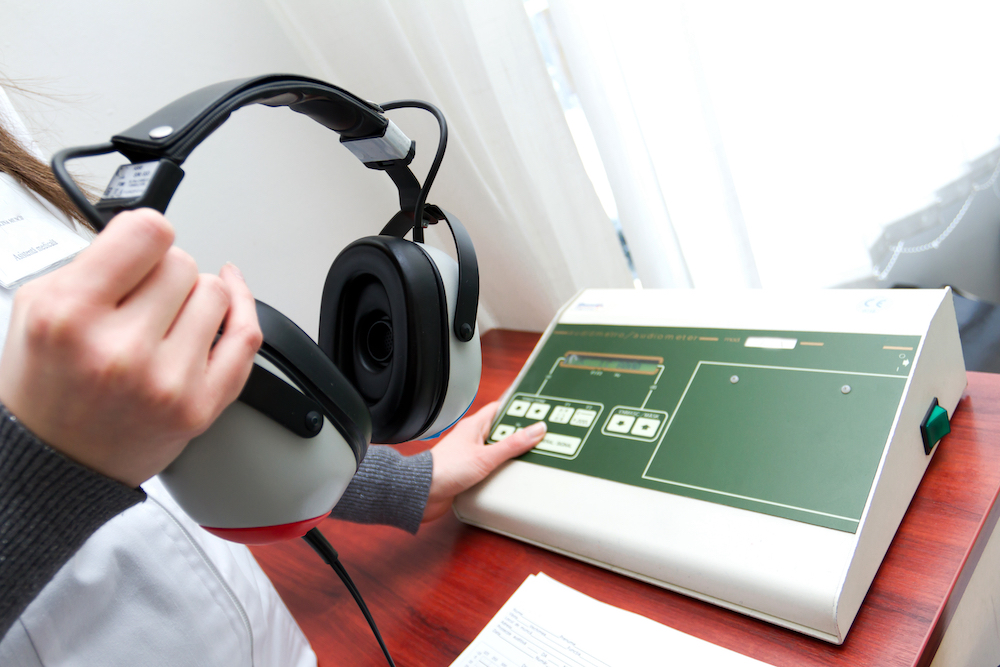
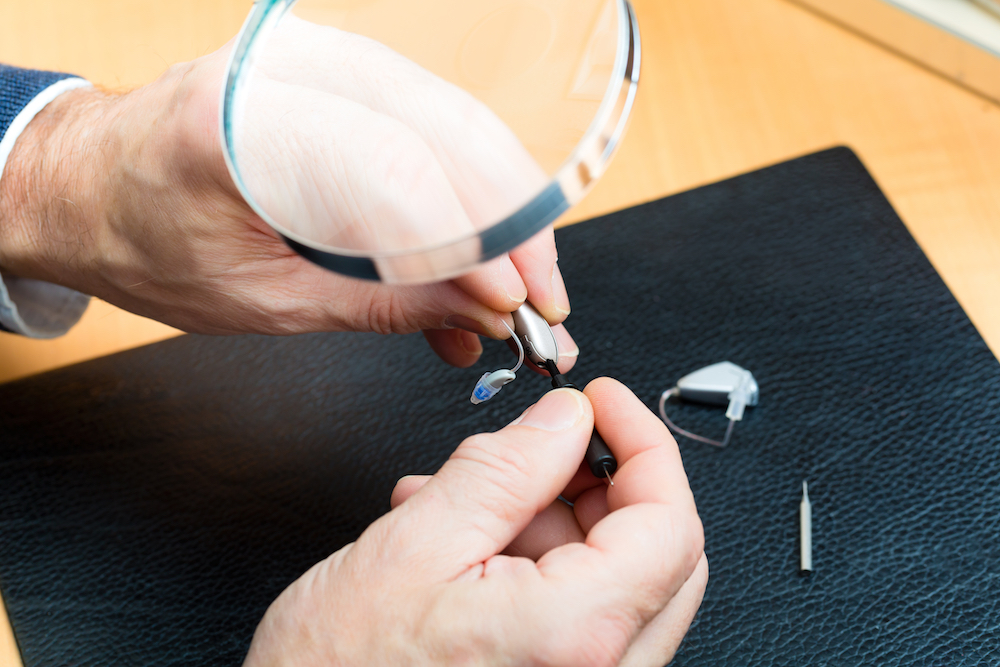
During your visit, an audiologist can test your hearing, check how well your balance system is working and answer any questions about new symptoms. If you use hearing aids or other devices, your audiologist will make sure they are working properly. Make an appointment if you notice changes in your hearing or balance, or if it has been a while since your last checkup. This step helps protect both your safety and quality of life.

Staying Aware of the Link Between Hearing and Balance

Recognizing the link between hearing and balance can help you spot important changes in your health. Since both systems are connected within the inner ear, problems with one may affect the other. By paying attention to symptoms like dizziness, unsteadiness or changes in hearing, you can find solutions sooner.

If you notice any of these signs, schedule an appointment with an audiologist. Regular checkups make it easier to address concerns early and keep both your hearing and balance working their best. Taking steps to care for these systems supports your safety and helps you stay active each day.