When hearing loss becomes severe, everyday sounds and conversations can feel distant or unclear, even with strong hearing aids. At that point, you may start to hear about cochlear implants as another option.

These devices work in a very different way from hearing aids and are not right for everyone. Deciding if a cochlear implant could help you is a careful process that looks at your hearing levels, your health and your goals.

An audiologist guides you through each step, measures how you hear now, explains what might change with an implant and supports you in understanding realistic outcomes.

When you know how your audiologist fits into cochlear implant candidacy, you can feel more prepared, ask clear questions and take an active role in your hearing care.

What are Cochlear Implants?

Cochlear implants are medical devices designed to help people with significant hearing loss access sound in a different way than traditional hearing aids.

Instead of simply making sounds louder, they work by bypassing damaged parts of the inner ear and sending signals directly to the hearing nerve, which the brain can interpret as sound. This can allow individuals to pick up on speech, environmental noises and other everyday sounds that might otherwise be difficult to hear.

While the experience is not the same as natural hearing, many people find that cochlear implants open the door to clearer communication and greater participation in life, from conversations with family to interactions at work or in social settings.

Reviewing Your Medical History

As part of determining whether a cochlear implant may be a good option, your audiologist will take time to review your medical history in a thoughtful and thorough way.

This includes asking about past hearing changes, any ear-related conditions, previous treatments and your overall health. Details like when your hearing loss began, how it has progressed and whether you have experienced issues like infections or dizziness can all help provide important context.

This conversation also gives you the chance to share your personal experiences and goals, which are just as important as test results.

For example, you might talk about situations where hearing feels most challenging or what improvements you hope to see.

Combining your medical background with your day-to-day experiences, your audiologist can build a clearer picture of your needs and help guide you toward the most appropriate next steps.

How an Audiologist Checks Your Hearing for a Cochlear Implant

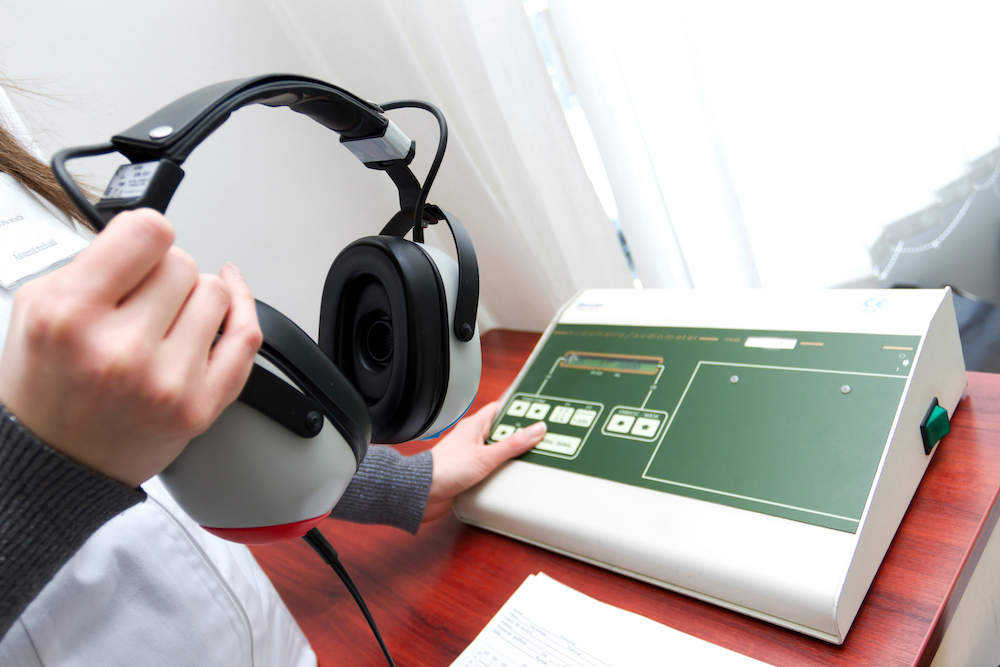
When you visit an audiologist to see if a cochlear implant might be right for you, the first step is a detailed look at how well you hear in different situations.

This usually includes listening to a range of tones and repeating words or sentences, both in quiet and with background noise. These tests help show not just how loud sounds need to be for you to hear them, but how clearly you understand speech.

Your audiologist will also talk with you about your listening challenges, like trouble following conversations or hearing in busy environments.

They may compare your results with and without hearing aids to see how much benefit you are receiving. This information helps guide the next steps and determine whether a cochlear implant could provide better access to sound.

Throughout the process, you can expect clear explanations and time to ask questions, so you feel informed and comfortable moving forward.

Ongoing Hearing Therapy and Follow-Up Care with Your Audiologist

Your hearing care does not stop once the cochlear implant is turned on. Regular follow-up visits with your audiologist are important so the device settings can be adjusted as your brain adapts to new sounds.

These visits also give you a chance to talk about what is going well and what still feels hard in life.

Hearing therapy, sometimes called auditory training, helps you learn to make sense of speech and everyday sounds through the implant.

You may practice listening to single words, short sentences or recorded voices in quiet and then with some background noise. These exercises can support better understanding during phone calls, at work, at school and in group conversations.

Your audiologist may also suggest simple listening practice at home. This could include reading along with audiobooks, listening to familiar music or talking with family members in calm settings first before trying harder places like busy restaurants.

Questions to Ask Your Audiologist When Considering a Cochlear Implant

When considering a cochlear implant, it’s important to go into your appointment with questions that help you understand the process and what to expect. Asking the right questions can make you feel more prepared for the next steps.

Some key questions to consider include:

  • What results can I realistically expect from a cochlear implant?
  • How will the implant affect my life and communication?
  • What does the evaluation and surgery process involve?
  • Are there risks or limitations I should be aware of?
  • What kind of follow-up care and support will I need after implantation?

Having these questions ready ensures you leave the appointment with a clear understanding of your options and how a cochlear implant might fit your lifestyle.

Seeing if Cochlear Implants Are Right for You

Choosing whether to move forward with a cochlear implant is a significant decision. An audiologist during cochlear implant candidacy is to help you make that choice with clear information and steady support.

From the first hearing tests to setting expectations and planning follow up care, your audiologist looks at your whole situation, not just your test scores. When you understand how the process works and what an implant may realistically change in your life, it becomes easier to decide what feels right for you.

If you are wondering whether a cochlear implant might help when hearing aids are no longer enough, schedule an appointment with an audiologist.

They will give you guidance tailored to your hearing loss and health history so you can review test results together, talk through possible benefits and limits and see what support would be available before and after surgery.