Annual hearing tests after age 50 are an important part of protecting your long-term health and independence.

As you get older, changes in hearing often happen slowly, so they can be easy to miss in daily life. You may start turning up the TV, asking people to repeat themselves or avoiding busy places because conversations feel harder to follow.

Regular hearing checks help you notice these changes early so you can stay involved with family, friends and work. Knowledge of how aging affects hearing, what happens during an annual test and how early care supports your overall well-being, you can make clear, informed choices about your hearing health.

How Aging Changes Your Ears and Hearing

As we get older, the structures in the ear gradually become less sensitive.

Tiny hair cells in the inner ear, which are responsible for detecting sound, can become less effective or get damaged and they do not regenerate. This can make softer sounds harder to hear and make certain pitches, especially higher ones, more difficult to detect.

Aging can also affect how the brain processes sound. Even if your ears pick up a sound, it may take longer for your brain to interpret it, particularly in noisy environments. This combination of changes in the ear and the brain can make following conversations or hearing subtle details more challenging.

Early Signs of Age-Related Hearing Loss You May Miss

Age-related hearing loss often begins gradually, so the first changes can be easy to overlook. You might notice small differences in how well you hear certain sounds or in your ability to follow conversations.

Some early signs include:

  • Struggling to hear high-pitched sounds like birds or doorbells.
  • Frequently asking people to repeat themselves.
  • Turning up the volume on the TV or radio higher than usual.
  • Having trouble following conversations in noisy places.

How Often to Schedule Hearing Tests as You Get Older

After age 50, hearing changes can happen gradually, often without you noticing at first. Scheduling hearing tests regularly helps catch small shifts before they become more serious.

Annual checkups allow your audiologist to track your hearing and provide support or adjustments if needed, keeping everyday listening clearer and less tiring.

Regular testing also gives you a chance to address issues that could affect communication, safety and overall quality of life. Even if your hearing seems fine, yearly evaluations help ensure that any changes are spotted early.

Simple Ways to Prepare for Your Next Annual Hearing Test

Preparing for your annual hearing test does not need to feel stressful. A few simple steps can help you feel at ease for your next appointment.

In the weeks before your appointment, pay attention to your daily hearing. Notice when you have the most trouble hearing, like in restaurants, on the phone or when talking with certain people.

Be ready to share these details with your audiologist so the test and any recommendations match your real-life needs. You may want to write down a short list that includes:

  • Any medicines or supplements you take.
  • Past ear infections, surgeries or injuries.
  • Times when you notice ringing in your ears or muffled sound.
  • Places or situations where hearing feels hardest.
  • Questions you have about hearing aids or other options.

A possible downside is setting aside time for the appointment and facing changes in your hearing that you may not want to think about at first. Many people find that once they understand their results, they feel more at ease and better able to decide what to do next.

What to Expect During a Routine Hearing Test

A routine hearing test begins with a conversation about your hearing history and any concerns you may have.

Your audiologist will ask questions about your exposure to loud noises, family history and how you experience sounds in daily life. This helps create a clear picture of what to focus on during the evaluation.

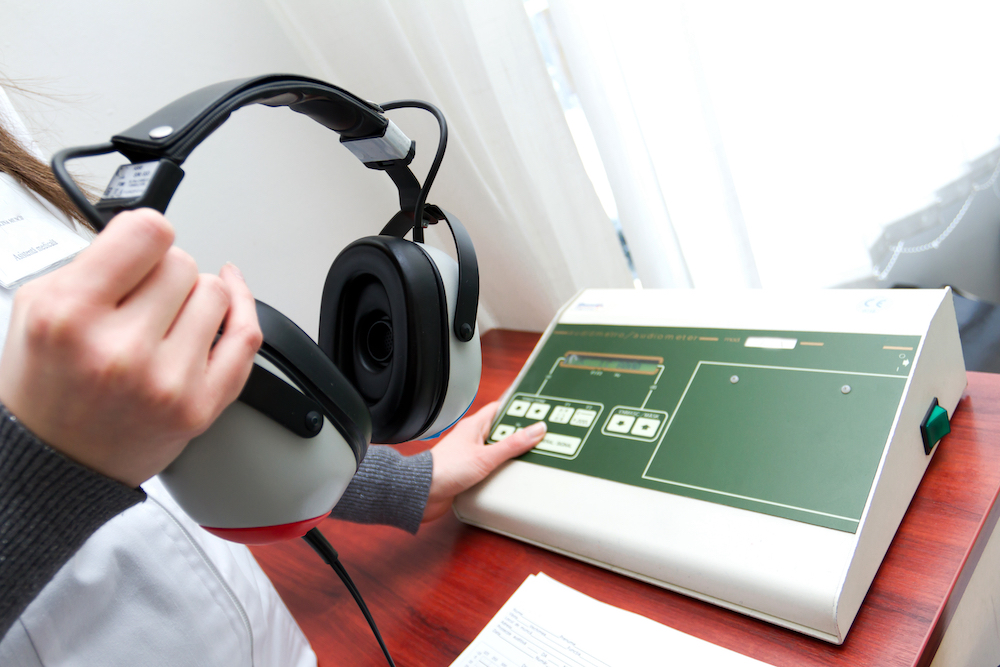
Next, they will measure how well you hear different pitches and volumes using headphones or speakers. You may be asked to respond when you hear beeps or words, which allows your audiologist to determine the quietest sounds you can detect.

Some tests also look at how your ears respond to certain frequencies and how your brain processes sound. Finally, the results are reviewed and explained in simple terms.

Your audiologist will discuss whether any hearing support is needed and suggest steps to protect or improve your hearing. This review gives you a clear understanding of your current hearing health and what actions, if any, can help maintain it going forward.

Stay Proactive About Your Hearing Health After Fifty

Annual hearing tests after age 50 are a part of staying safe, connected and independent as you age.

Skipping them can mean missing slow changes that affect how well you follow conversations, how steady you feel on your feet and how clearly your brain processes sound. Treating hearing checks like other yearly health visits helps small issues get noticed early, providing treatment to further prevent hearing loss from getting worse.

If you are 50 or older and have not had a hearing test in the past year, consider scheduling an appointment with an audiologist. Bring your questions and share what you notice day to day so, you can build a clear plan for your hearing health going forward.

A yearly test is a simple step that supports clear communication and helps you stay active and engaged in the parts of life that matter most to you.