When you notice ear pain, pressure or changes in hearing, it is natural to wonder what is happening behind the eardrum.

Tympanometry and other middle ear tests help show how well the small space behind your eardrum is working. These tests give clear information about problems like fluid, stiffness or pressure changes that you cannot see or feel on your own.

When you know what the results are meant to show, it becomes easier to see why certain treatments or follow-up steps are recommended. This knowledge can help you ask useful questions, take an active role in your care and feel more assured about choices for your hearing health.

What the Middle Ear Does and Why It Matters for Hearing

The middle ear is a small air filled space behind your eardrum that holds three tiny bones called the ossicles. These bones act like a bridge that carries sound from the outer ear to the inner ear, where sound signals are sent to your brain.

When sound reaches the eardrum, the eardrum moves. That motion passes through the ossicles and boosts the sound so it can travel into the inner ear.

Even small changes in how these parts move can affect what you hear, so changes in hearing or pressure are worth paying attention to.

If there is fluid, stiffness or a problem with pressure in this space, sound does not move as well. Hearing may seem muffled or blocked. Middle ear tests help show how well this space is working so your care can match what your ears need.

How Pressure and Fluid Change the Space Behind Your Eardrum

The space behind your eardrum, called the middle ear, is normally filled with air and connected to the back of your nose through the Eustachian tube.

This tube helps regulate pressure so the eardrum can vibrate freely and transmit sound effectively. When pressure changes, like during a cold, sinus infection or air travel, the eardrum can feel stiff or pull inward, making sounds seem muffled or different than usual.

Fluid can also accumulate in the middle ear, often as a result of infection or inflammation. This fluid adds weight and resistance behind the eardrum, which can interfere with its ability to move and reduce the efficiency of sound transmission.

Both pressure changes and fluid buildup can affect hearing temporarily, and monitoring these changes helps audiologists determine the best steps for care and relief.

How a Tympanometry Test Is Done Step By Step

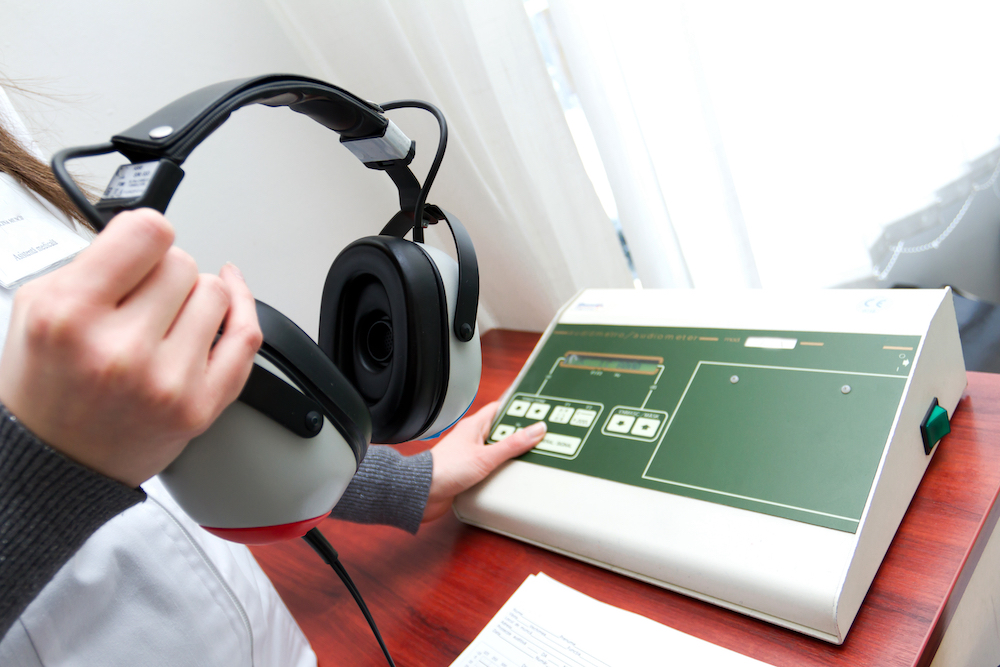
To start tympanometry, your audiologist looks in your ear with a light to make sure the ear canal is clear of wax or objects. Then a small soft rubber tip is placed gently in your ear to seal the canal.

You are asked to sit still and avoid talking or swallowing for a few seconds.

You may hear a brief tone and feel slight pressure changes, similar to what you might notice when driving up a hill. The machine measures how your eardrum moves while the air pressure shifts and creates a graph called a tympanogram.

The test usually takes less than a minute per ear and does not require any special preparation from you.

To make it easier, take slow breaths, keep your jaw relaxed and let your audiologist know right away if you feel anxious or feel any pain so the test can be adjusted.

Other Middle Ear Tests Often Used with Tympanometry

Tympanometry is often used along with other tests to give a more complete picture of how your middle ear is working.

These may include:

  • Acoustic reflex testing, which checks how a tiny muscle in the middle ear responds to loud sounds.
  • Otoscopy, where your audiologist uses a lighted tool to look at your eardrum and ear canal.

This background helps our team understand your results and plan care that fits your situation.

What Middle Ear Test Results Can Show About Hearing Changes

Middle ear test results show how well sound can move through the space behind your eardrum. When you look at these results with your audiologist, they can help explain why hearing may seem muffled, blocked or different from day to day.

Common patterns include:

  • A tympanogram that looks normal usually means the eardrum and middle ear bones are moving well. In this case, hearing changes may be coming from the inner ear instead of fluid or pressure in the middle ear.
  • A flat or very low tympanogram often points to fluid behind the eardrum. This can cause muffled hearing, a plugged feeling or trouble hearing soft sounds.
  • A tympanogram with a peak shifted to one side can suggest pressure problems in the middle ear. This may cause popping, fullness or mild changes in how clearly you hear speech.

This information guides next steps like waiting for fluid to clear, medical care for infection or allergies or checking if you might benefit from hearing aids once the middle ear is stable.

Next Steps to Protect Your Hearing After Middle Ear Testing

After your middle ear tests are done, the next step is to use that information to protect your hearing. Your audiologist will explain whether your results point to fluid, pressure changes or other issues so you can plan what to do next.

Follow any care plan closely. This may include taking using nasal sprays as directed or returning for repeat testing if recommended.

Protect your ears by avoiding cotton swabs or objects in the ear canal, keeping your ears dry when swimming if advised and watching for signs like new pain, drainage or sudden changes in hearing so you can report them quickly.

You can also lower the risk of future hearing loss by limiting loud noise when possible. Use well fitted earplugs or earmuffs at concerts, during yard work or around loud tools.

Keep headphone volume at a safe level, and schedule regular checkups with an audiologist so any new changes in your middle ear are found and managed early.

Understanding Tympanometry Results and Your Next Steps

Tympanometry and other middle ear tests may seem technical at first, but they are simply tools that connect what you feel in your ears with what is happening behind the eardrum. When you understand what these tests measure and what the results mean, it becomes easier to follow a care plan and know what to expect over time.

If you notice ear fullness, popping, pain or muffled hearing that does not go away, it is important to have those symptoms checked by an audiologist.